
We select participants who are positive, caring, and open for the au pair experience — through structured conversations, verified references, and eligibility checks.
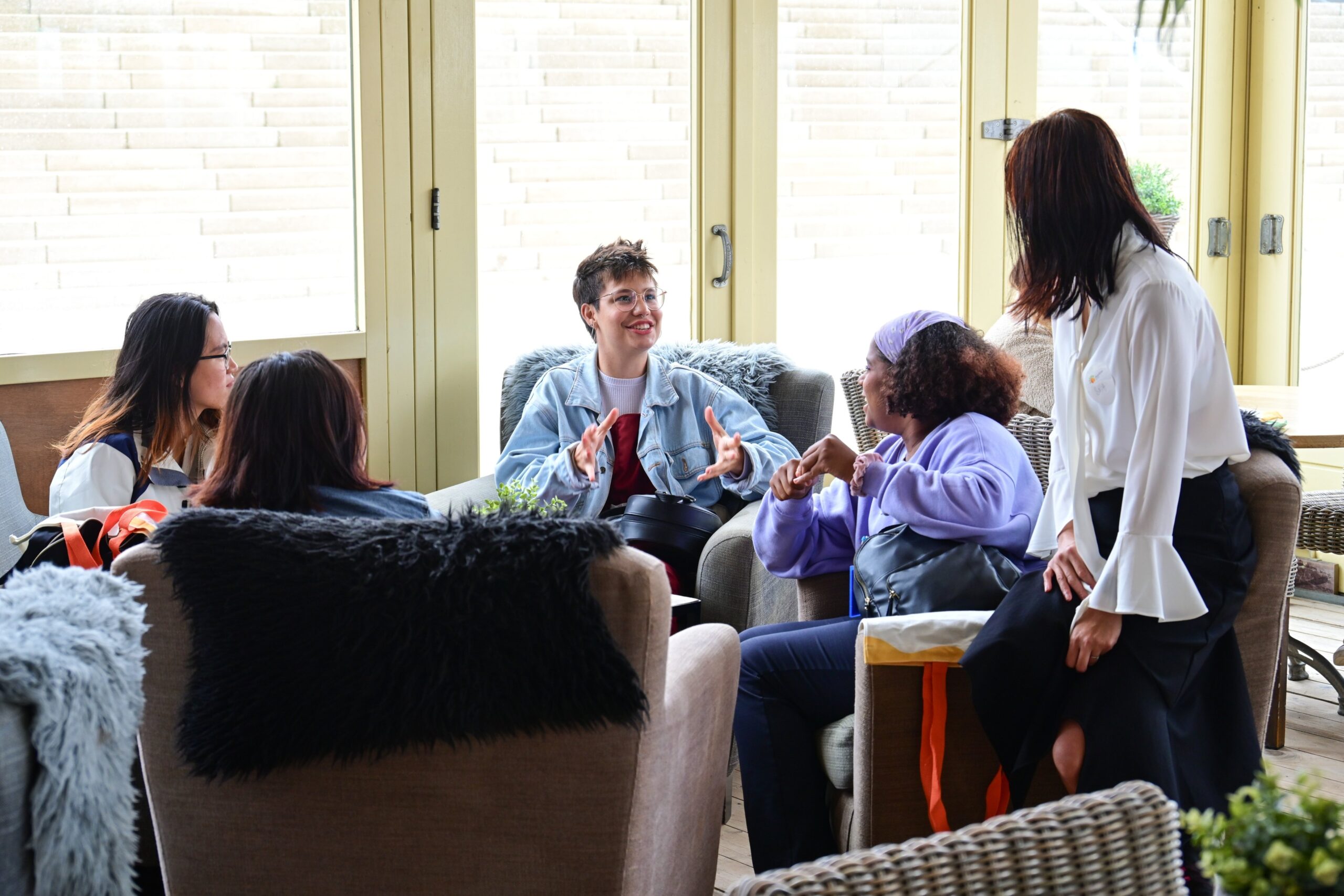
Screening isn't just confirming the basics. It's about how someone will function in a real household.
We call references directly, not just read forms. That shows us:
Most placement issues aren't about paperwork. They come from mismatched expectations, and that's what this stage catches.
Each application is reviewed carefully by our experienced team. We look for participants who are well-prepared, emotionally mature, and ready to handle the responsibilities of living abroad and caring for children.
Verified references and hands-on experience with children
Clear goals and open, honest communication style
Life skills and emotional readiness for living abroad
Willingness to adapt to Dutch family life and culture
Our goal is not perfection — but a realistic and honest understanding of each participant's suitability for the program.
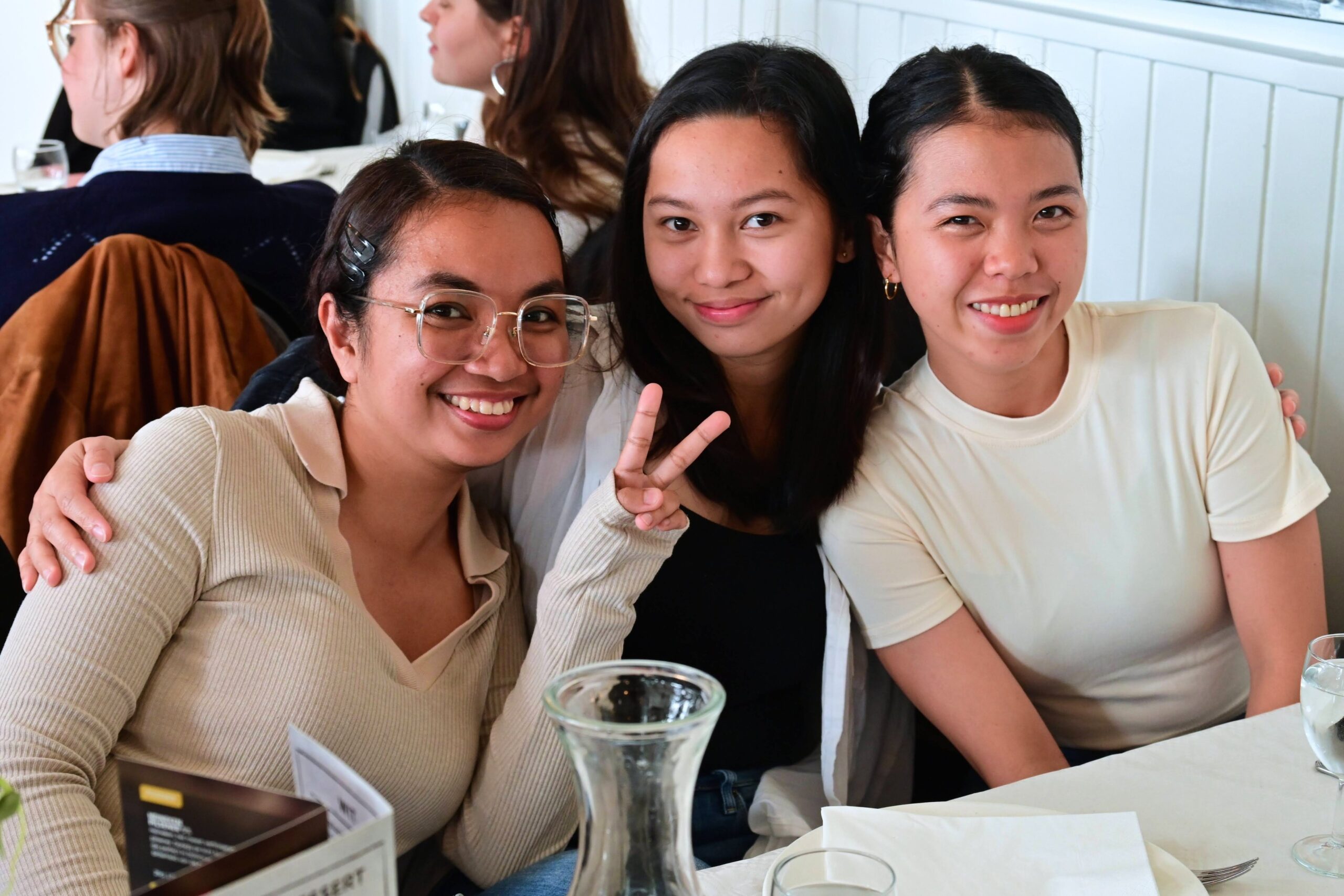
It is possible for a candidate to have strong experience and still not be the right fit for a particular family. These are not problems in themselves, but they can lead to friction over time.
The strongest matches are usually the ones where both sides have taken the time to understand each other beyond the profile.
Our screening identifies candidates who are well-suited to the program, but the success of the year depends on mutual effort and respect. When both the family and the au pair commit to clear communication, cultural understanding, and shared responsibility, the experience becomes deeply rewarding for everyone involved.
Have questions? Get in touch — we're happy to help.
Understanding how we screen au pair applicants and what to expect from the placement.
To keep our process fair and honest, we don't share detailed feedback about why a particular applicant wasn't accepted. If we explained the specific reasons, applicants might start adjusting their answers, or pass that information on to others, and that would make future interviews less genuine.
So to protect the integrity of the whole process, we simply let participants know whether they have passed the screening or not.
An applicant may not be accepted if:
Our responsibility is to make sure every au pair participant is safe, responsible, and fully eligible under Dutch law.
Our process is thorough, but there are natural limits to what any agency can check. We can't access private records, but we do require:
Beyond that, a successful placement really comes down to open communication and cooperation between the host family and au pair once everyone settles in.
It helps to remember that au pairs aren't professional childcare workers. They're young people taking part in a cultural exchange, coming to learn about Dutch culture, language, and family life, and to help out with light childcare and household tasks along the way.
They'll need a little time, understanding, and guidance to settle in. Host families play a big part here, helping their au pair grow into the role with patience, structure, and good communication.